Google Maps · 8 min read · November 2, 2026
How Google Maps Ranks Local Businesses (and the 3 Levers You Actually Control)
The map pack is where local buyers pick who to call. Here is how Google decides who shows up in it, and the three levers that move a business from page two to the top three.
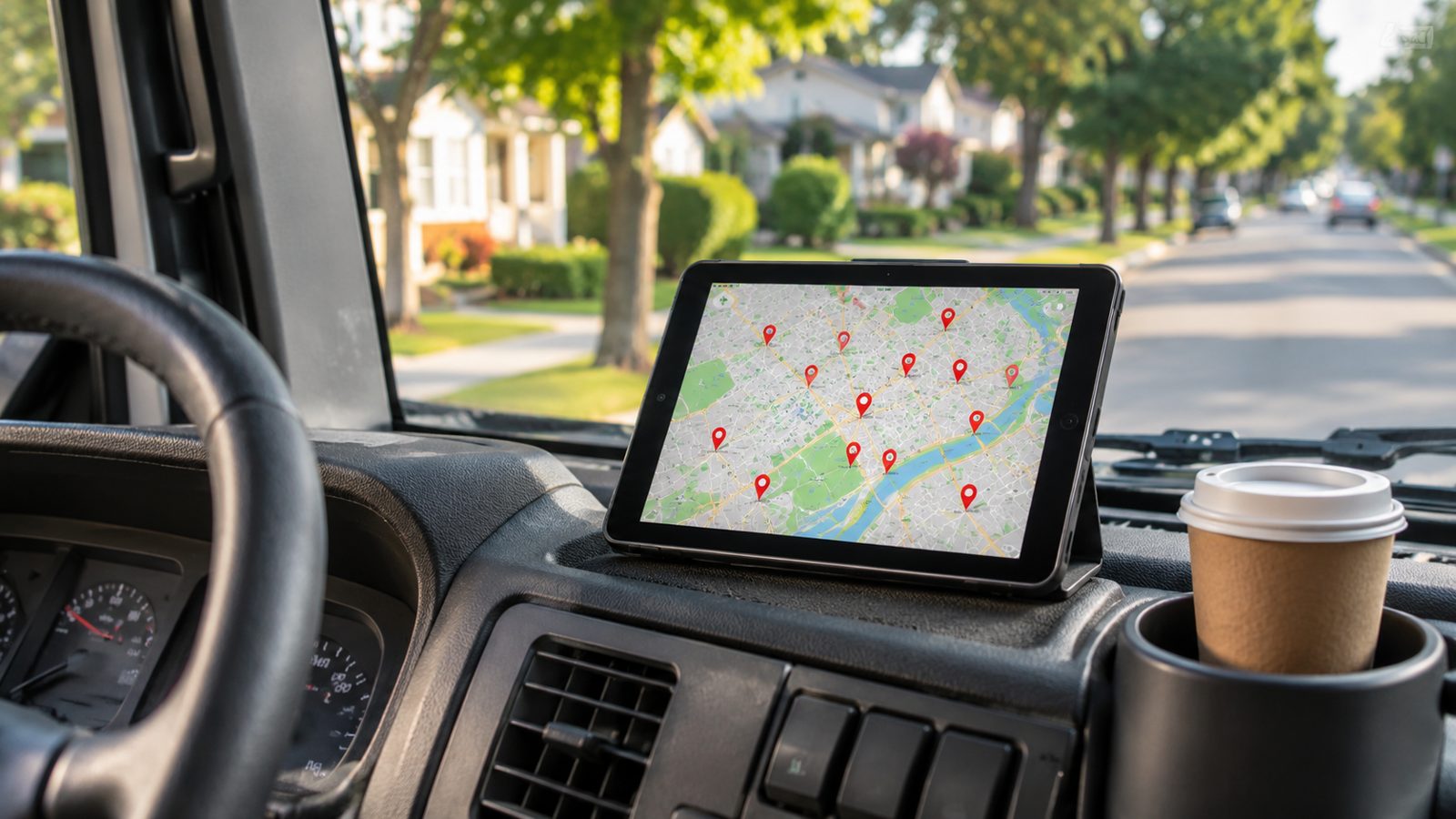
When someone types "plumber near me" into Google, three businesses show up in the map pack. Those three get most of the calls. Everyone else is fighting over scraps on the blue links below. If you run a local business, the map pack is the most valuable real estate on the internet, and most owners have no idea how it's decided.
Google tells you outright. Local rankings come down to three things: relevance, distance and prominence. Distance you can't change. The other two you can, and that's where the winners pull away.
Lever 1: Relevance (does Google know what you do?)
Relevance is how well your Google Business Profile matches what the person searched. Google reads your profile, your website and everything the internet says about you, then decides if you're a match for "emergency roof repair" or just "roofing contractor".
Most profiles lose here before they ever compete. They pick one category, write a two-line description and never touch it again. Here's what moves relevance:
- Primary category. The single biggest relevance signal on your profile. "Roofing contractor" and "Roofer" don't rank for the same searches. Check what the top three in your market use and match the one that fits your money service.
- Secondary categories. Add every one that's true. A remodeler who also does kitchens, bathrooms and decks should say so.
- Services and products. List every service with a real description. Google uses these to match long-tail searches like "gutter guard installation".
- Your website. The page your profile links to should be about the same service and the same city. A homepage that says "Quality Service Since 1998" tells Google nothing.
Lever 2: Prominence (does the internet trust you?)
Prominence is Google's read on how well known and well liked you are. It's the lever with the most upside, because it compounds. The business that keeps feeding it pulls further ahead every month.
- Review count and velocity. Not just how many reviews you have, but how fast new ones come in. A business with 40 reviews and 8 new this month will often beat one with 120 and nothing since spring.
- Review content. When customers write "they fixed our water heater in Plano the same day", that review is doing SEO for you. Google reads the words.
- Links and mentions. Local news, chambers of commerce, suppliers, sponsorships, directories. Every legitimate mention is a vote.
- Website authority. Your organic rankings feed your map rankings. A site with real location pages and helpful blog posts lifts the profile attached to it.
If you only fix one thing this quarter, fix your review flow. We break down exactly how in How to Get 10+ Google Reviews a Month Without Begging.
Lever 3: Activity (is anyone home?)
Google never lists "activity" as an official factor, but every local marketer who tracks rankings sees it. Profiles that get updated, posted to and engaged with outperform profiles that sit idle. Think of it as proof of life.
- Post an update every week: a finished job, a seasonal offer, a quick tip.
- Upload real photos every month. Job sites, trucks, crew, before-and-afters.
- Answer every review within a day or two, good and bad.
- Keep hours, holiday hours and service areas current.
- Answer questions in the Q&A section before a competitor or a troll does.
Why you rank in one neighborhood and vanish in the next
Here's what trips up every owner: there is no single "Google ranking". Your position changes depending on where the searcher is standing. You might be number one for someone two miles from your shop and nowhere for someone eight miles out.
That's why we never report rankings as one number. We run a grid scan: the same search from dozens of points across your service area, plotted on a map. Green where you're top three, red where you're invisible. It shows you exactly where the money is leaking, and it's the first thing we pull up on a strategy call.
The fix for weak outer zones is usually a mix of three things: location pages on your website for those cities (see Location Pages That Rank), reviews that mention those cities, and ads to cover the gap while organic catches up.
What doesn't work (and can get you suspended)
- Stuffing keywords into your business name. "Bob's Plumbing - Best Plumber Dallas 24/7" works until a competitor reports it, and then your profile gets suspended.
- Virtual offices and fake addresses. Google verifies harder every year. Service-area businesses should hide their address, not invent one.
- Buying reviews. Google filters them, and a wave of filtered reviews puts a target on your profile.
- Creating duplicate profiles for each city you serve. One business, one location, one profile.
Who this matters for
Home service businesses live and die by the map pack. Roofers, plumbers, HVAC, electricians, cleaners and dumpster rental companies get the majority of their inbound calls from it.
Real estate agents underestimate it. "Realtor near me" and "real estate agent [city]" searches pull a map pack, and the agents in it get listing calls from people who never saw a Zillow ad.
Business brokers have the least competition of anyone. Search "business broker" in most mid-size cities and the map pack is half empty or full of profiles with three reviews. A broker who builds a real profile can own it in a few months.
FAQ
How long does it take to rank in the Google Maps 3-pack?
For most local businesses, meaningful movement shows up in 60 to 90 days once the profile is fixed and reviews start flowing. Competitive metros take longer. Ads cover the gap in the meantime.
Does posting on Google Business Profile help rankings?
Weekly posts keep the profile active and give Google fresh content about your services. On their own they won't carry a weak profile, but active profiles consistently outperform idle ones.
Why do I rank at my office but not across town?
Distance from the searcher is one of the three core ranking factors. To win outer areas you need more prominence than the businesses located there: more reviews, better content about those cities and stronger links.
Can I rank in a city where I don't have an office?
In the map pack it's hard, but not impossible with a strong profile. In the organic results below it, location pages make it very doable, and ads cover it instantly.
How we solve this: We pull all three levers for you: relevance with a fully built profile and city pages, prominence with automated review requests and AI replies, and activity with weekly Google posts, social and blog content. Your profile looks open, busy and trusted every week, because it is.